
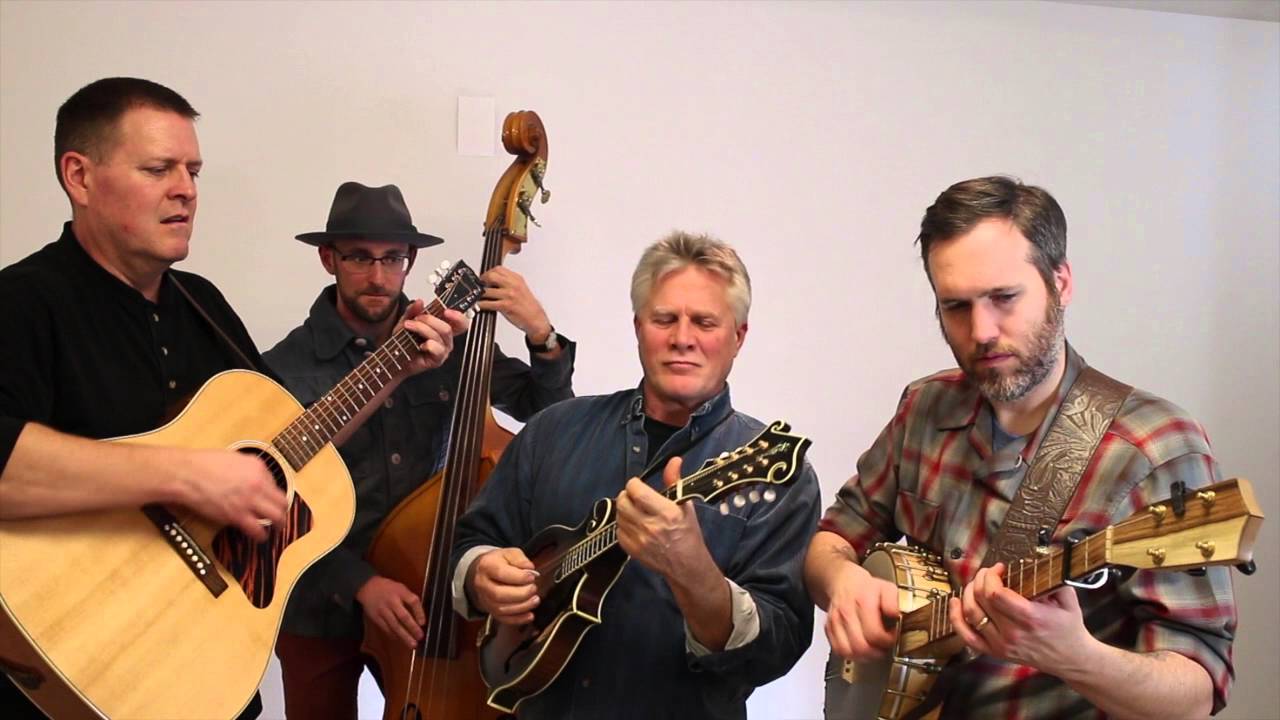
Over The Waterfall
Fiddle tune · Key of D
Lessons





About this song
Over The Waterfall is a traditional old-time fiddle tune in D. Every version played today goes back to one fiddler, Henry Reed (1884-1968) of Glen Lyn, Virginia. He told folklorist and fiddler Alan Jabbour that he first heard the melody as a small boy at a traveling show. Jabbour recorded Reed playing it in the 1960s. Jabbour also traced it to a melody known across the British Isles and North America, the one used for the ballad "Eggs and Marrowbones."
Jabbour's band, the Hollow Rock String Band, recorded the tune on their 1968 album Traditional Dance Tunes. That recording is where the tune as it's known today comes from. It spread from that record, from circulating tapes and from fiddler to fiddler. The Library of Congress calls it perhaps the most widely circulated of all Reed's tunes. Jabbour recalled that his band loved the way the melody drops, like going over a waterfall, and that they added some chords of their own.
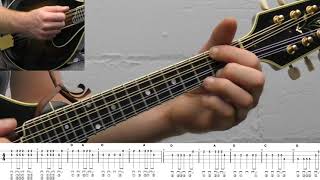
The surprise in the chart is the flat 7 at the end of the A part, where it moves to the 4.
In the collection Old-Time.
You might also like
People who play this also play
- Kitchen Girl 5 people play both A
- Nellie Kane 5 people play both E
- Big Sciota 8 people play both G
- Bluegrass Stomp 4 people play both D
- Hand Me Down My Walking Cane 5 people play both G
- Sunny Side Of The Mountain 4 people play both A
- East Virginia Blues 4 people play both G
- Ragtime Annie 4 people play both D
- Ginseng Sullivan 5 people play both Eb
- Clinch Mountain Backstep 5 people play both A
Same chord changes
Shares the 1–4–1–5 changes
- Goodbye Liza Jane A
- Belle Of Lexington D
- Old Joe Clark Shares the 1–b7 changes A
- Soldier's Joy D
- Cricket On The Hearth D
- Nail That Catfish To A Tree Shares the 1–5 changes G
- Shove the Pig's Foot Further in the Fire G
- Camp Meeting On The Fourth Of July Shares the 1–4 changes D
- Old Dangerfield G
- Bonaparte's Retreat Shares the 1–b7–4 changes D